
Warning! This is a VERY LONG READ! But I assure you it is packed full of information. 🙂
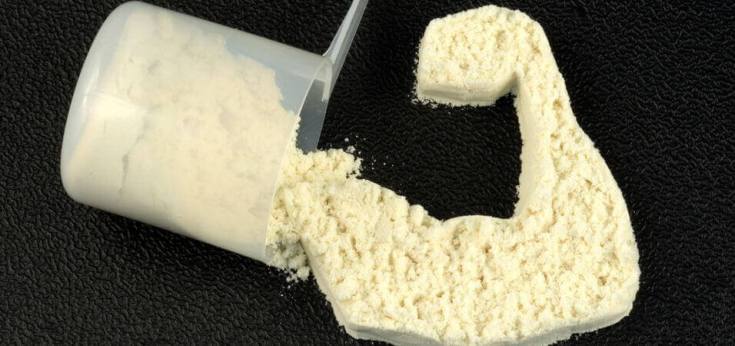
So you want to build muscle and lose weight but the soreness of the gym keeps making you question if this is all really worth it. Well, what if there was a way to speed recovery while simultaneously building muscle and if included in your goal is to lose weight? This way you know you won’t be as sore the next day AND you’ll begin building back your torn muscle fibers the moment you step out of the gym.
Contrary to popular belief, you don’t actually build muscle when you’re at the gym pumping iron. Many people seem to think that because their muscles look bigger and fuller, they’re actively building muscle but this couldn’t be farther from the truth. Muscle building occurs outside of the gym, during what’s called the recovery process. This takes place while you’re doing other things, and most importantly, during your sleep! (This will be covered on a different post, however; it is a topic on its own)
You see, when you’re in the gym and you’re lifting all that heavy weight, what is happening is that the fibers that make up your muscles being broken down. When this happens, you’re forcing a ton of blood into the muscle fibers which leads to that glorious pump you get. All that blood has nutrients in it, which is shuttling all that nutritious goodness into the muscles in order to begin recovery. But you’re not done yet, you still need one more rep, one more set. This is part of the reason why you’re so massive in the gym, but look like a “do you even lift” bro outside of the gym.
So what can we do about this? Like I said earlier, you want to build muscle, getting bigger and/or lose weight at the same time! Now ladies, believe me when I say, you won’t get big. You won’t magically put on 50 pounds of muscle overnight, get shredded, and lose your femininity. Trust me, it isn’t that easy…
What is protein?
Protein is a macronutrient that is essential to building muscle mass. Protein makes up approximately 15-20% of an individual’s body weight. Chemically, protein is made up of amino acids, which are organic compounds made up of carbon, hydrogen, nitrogen, oxygen and/or sulfur.
Protein sources may be in the form of plants, animal, or powder.
There are 20 amino acids, of which your body requires almost all of them. The problem is your body can synthesize some but not others. This is what ESSENTIAL means when it comes to “essential amino acids (EAA)” or “essential fatty acids (EFA).” With that said, “non-essential amino acids” also exist, and these are the ones that your body can synthesize.
There are nine EAAs, below are a few examples:
Histidine, Phenylalanine, Tryptophan, Leucine (BCAA)*, Isoleucine (BCAA)*, Valine (BCAA)*, and a few more.
*Leucine, Isoleucine, and Valine form BCAAs, which are Branch Chain Amino Acid. This refers to the chemical structure shared between these three. BCAAs are especially essential for many different processes, from strength and energy, to possibly helping ALS, Lou Gehrig’s disease victims, and so on.
And what’s protein powder?
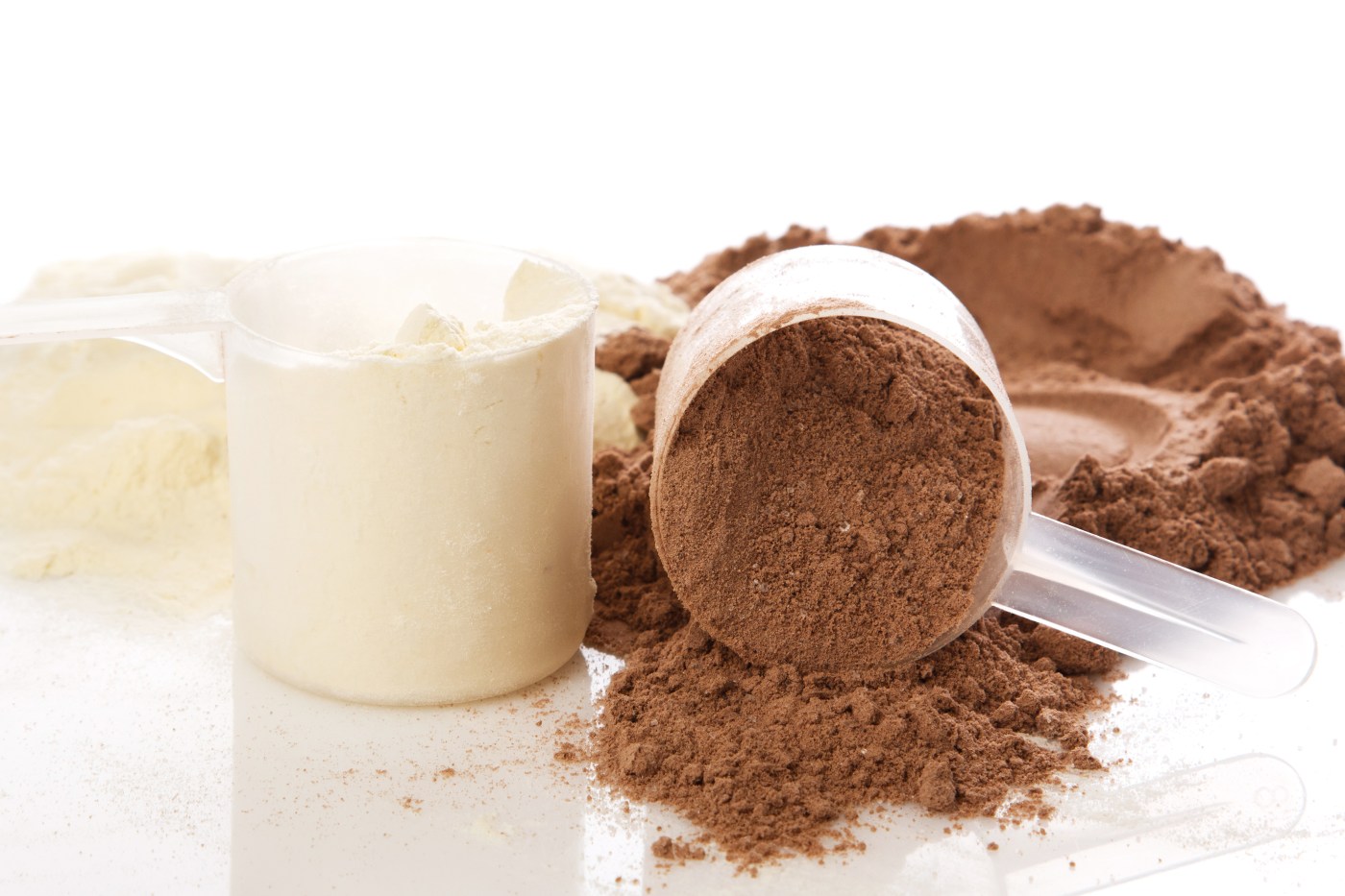
Protein powder refers to different forms that have been processed to make into a powder, making them easier to include in our diets. Given the different types of form, they also aid in different processes within our body, from replacing a meal by keeping us fuller longer, to helping us build muscle and decrease soreness the next day through increased recovery.
Note: Many people believe that protein powder is actually bad for you, that it may cause kidney stones and other health problems. You may have also met someone who experienced this, and/or you read something on the news. Oftentimes, there are other factors that contribute to these problems and it is usually easier to place the blame on something simple.
Protein powder in its rawest form is simply amino acids that our body needs and utilizes. When combined with adequate amounts of water intake, the likelihood of developing kidney stones or any other issues is slim to none.
Don’t let the media’s fearmongering control you.
What is it for?
Protein powder can be used to supplement the amount of protein you need in your diet. Some individuals may not be getting enough protein from their food, so they have to supplement the amount of protein they get. What better way than to use a powder?
Other individuals may use protein powder for meal replacement. When on the go, one can throw in some berries into a blender, a scoop of protein and make it into a shake. No need to cook up and clean a lot of dishes/pans. Those looking to lose weight can also benefit from this, instead of a high-calorie lunch at Cava or Tropical Smoothie, a protein shake will provide you with nutritious goodness while helping you slim your waistline.
How much protein do we really need?
Depending on what you do, whether you live a sedentary lifestyle and you don’t workout at all, not even go run, you may stick to the RDA guidelines of 50g of protein per day. However, if you are active (whether a runner, lifter, or weekend warrior), and want to lose weight and build muscle, you can target a range of 0.7 to 0.8 grams or 25-35% of total calories of protein per pound of bodyweight.
Example, a 200 pound male who eats approximately 2000 calories a day would consume roughly 500-700 calories from protein, or 125-175 grams of protein (2000 x 25%-35% (per 1 gram of carb or protein = 4 calories)).
Many individuals may feel it is best to boost protein consumption to 1-1.25 grams per bodyweight when they’re looking to lose weight because this helps in preserving as much muscle mass as possible. Protein also helps to maintain strength, while burning fat.
*The more muscle mass, the more calories are burned, therefore the more body fat you lose*
Remember, more is not better. Your body can absorb 30-40 grams of protein per meal, in the same way, it can absorb 10-20 grams. The difference is in how your body processes it, it may take longer, it may be slower. But your body can certainly absorb a high amount of protein.
However, this does not mean you should go and start consuming more than 200 grams of protein every day. You’re likely to see strength and muscular size gain while burning fat when sticking to a good range of protein intake.
Who can benefit from protein powder?
Pretty much anyone and everyone can benefit from protein powder. Protein is essential to our survival. Children can greatly benefit from protein, and especially children who are active in sports. Protein also benefits brain function and development as well as other functions within our bodies.
Vegetarians whom may not be getting enough protein from their diet can turn to different products, such as pea or soy protein.
As stated before, individuals interested in losing or gaining weight and build muscle while increasing recovery and decreasing soreness from any intense activity they may perform. Another group of people who benefit greatly from protein is gastric bypass patients and even HIV/AIDs victims (due to the muscle wasting they experience from the disease).
What are some main types of proteins?
Whey Concentrate
This is the basic form of protein you’ll find virtually everywhere. It is often inexpensive and may be the first protein most gym-goers try, thus making it the best for beginners. Keep in mind, however, because of the way this protein is processed, it can be a bit harsh on your digestive system. You may feel bloated or gassy afterward. Your body may adapt, and over time you won’t feel as bad.
How is concentrate made?
Protein is extracted from milk by using heat and acids or enzymes. Whey concentrate may contain approximately 60 to 80% protein, with the rest being a mixture of fat and carbs.
Best time to use whey concentrate
Individuals may use whey concentrate at any time they’d like. They can use it as a snack in between meals, first thing in the morning, but the best use will come from consuming 20-25g protein before and after working out.
Casein
Casein has a thicker consistency, making your body digest it at a slower rate. Because of the length of time that casein takes to digest in your body (roughly 5 to 7 hours with peak blood AA and protein synthesis levels reached between 3 to 4 hours), you’ll have a steady supply flow of protein/amino acids. This is beneficial because your body will remain in an active recovery/anabolic state throughout the day.
How is casein made?
Casein is made in the same way as whey concentrate, except it forms curds and is far thicker than concentrate. Casein may have a higher fat content, however, which attributes to the slow digestion.
Best time to use casein
Casein can be taken as a snack in between meals. Because of its coagulation ability when it reaches your stomach, it will make you feel full and keep you feeling fuller longer. This may benefit those who may not be able to eat as often or those who want to lose weight.
A common time many protein fanatics use casein protein is before bed. The reason is due to the amount of time they may sleep without having a break in between to eat something. This allows the body to stay anabolic throughout the night. Due to its high glutamine content, it’ll also aid recovery, while boosting the immune system.
Whey Isolates
Whey isolates are a better, higher quality protein form when compared to concentrate. The reason is due to its made in the filtration process. When it undergoes this process, the majority of fat and carbs are removed, thus concentrating protein to a greater degree. Isolates may contain 90 to 95% protein and the rest being fat and carbs. This makes this choice an exceptional choice for low carb dieters.
Keep in mind, because of its filtration process and nutritional makeup, isolates may be expensive.
Best time to take isolates
Realistically, anytime you want a boost of protein. Many lifters take an isolate first thing in the morning to break their fast and bring the body into an anabolic state. Another time would be a snack in between meals, but the best time would definitely be before and after a workout.
Because of its unique attributes, the body absorbs isolates much faster, which jumpstarts the recovery process quicker. Muscles are also supplied with the required nutrients faster.
Hydrolysate
This form has to be one of the most expensive forms of protein available. Its highly absorbable protein peptides have a tremendous anabolic effect, which means your body can quickly absorb it as soon as you ingest it. This form is also much easier to digest than whey concentrates.
How is hydrolysate made?
Just like whey concentrates and isolates, hydrolysate is extracted by heating the milk with acids/enzymes, then undergoes a filtration process, until its final point – the breaking of the bonds between the amino acids. This makes this form the easiest to digest and the fastest.
Soy/pea
Soy and pea protein is suitable for vegetarians because they’re extracted from plants and vegetables (soy and peas). Although soy may not be favorable among males, contrary to popular belief, 25 grams of soy protein will not have any adverse effects but rather will aid a user’s recovery due to the high concentration of glutamine. Given its high amount of arginine as well (the amino acids responsible for blood vessel dilation), nutrients can get shuttled into muscles at a faster rate.
Pea protein also has a strong amino acid profile.
Best time to use soy/pea protein
Soy/pea protein can be used at any time of the day just like others (except casein). In the past, I have used soy and whey at a 1:1 ratio, meaning 20 grams soy and 20 grams whey. This enables me to have a faster and slower digesting protein while reaping the benefits of the amino acids.
Milk protein isolate
Milk protein isolate is a combination of casein and whey proteins. It does consist of a strong amino acid profile, but milk protein isolates are used in blended protein sources (where multiple types of protein are needed). Milk protein may not be favorable however due to its digestion properties (it digests slower than other forms but faster than casein), and the increased digestion process may lead to feeling bloated or gassy.
Egg Albumen
The old school bodybuilder’s go-to form of protein, because it was pretty much the only thing available! This form consists of primarily egg whites, thus making its amino acid profile fantastic. Although egg protein does come in powder form, most prefer the form of liquid.
Because egg white liquid doesn’t have much of a taste, it is the perfect addition to anything, whether you’re baking, making a smoothie, or want to add to your oats. In the past, I have added chocolate syrup and mint powder, and it seriously tasted like a chocolate mint milkshake. Absolutely amazing.
This is the best form to increase the protein content of anything and everything because of its neutral taste. It is also very easy to assimilate, your body will easily absorb egg albumin and won’t leave you feeling gassy or bloated. However, keep in mind that it does not digest as fast as isolates or hydrolysates.
So you may be wondering what products out there have what you need? Well, I’ve tried the majority of them and can safely list a few options:
My all-time favorite sports nutrition companies based on quality, protein source, and price in no particular order:
- Optimum Nutrition
- BSN
- Dymatize (all time favorite)
- Muscle Pharm
- Jym
I have a very picky palate. I cannot deal with gritty consistencies, powders that clump up even after rigorously shaking, or mixes that don’t taste anything like the label. I can’t do a shake that claims its “chocolate” yet tastes like sand. So these are tried and true, I’m sure you’ll enjoy them as much as I do. #5 is my absolute favorite.
Whey concentrates/isolates/hydrolysates
- Optimum Nutrition Gold Standard 100% Whey
- Ultra-filtered whey protein concentrate providing 24 grams of protein per scoop
- Optimum Nutrition Platinum 100% Hydrolyzed Whey
- Ultra-pure hydrolyzed whey isolates for fastest digestion and absorption providing 30 grams of protein per scoop
- Isopure Zero Carb 100% Whey Protein Isolate
- As the name says, zero carbs! Perfect for low carb dieters while delivering 25 grams of fast digesting protein
- Optimum Nutrition Pro Complex
- By combining eight different protein sources, this powder will provide you with an even mixture of slow and fast digesting proteins, making it a complete source of protein providing 30 grams of protein per scoop
- Dymatize ISO 100 Whey Protein Isolate
- Tastes EXACTLY like it says. This amazing, flavorful protein will make you think you’re cheating on your diet while providing you with 25 grams of isolate protein
Casein/Soy/Pea/Egg
- Optimum Nutrition Gold Standard 100% Casein
- Slower digesting casein powder to help you feel fuller longer, or maintain a steady flow of amino acids throughout the night providing 24 grams of protein per scoop
- PRO JYM
- Talk about a perfect protein, this powerhouse delivers 24 grams of protein in the form of whey, casein, and egg proteins
- BSN Syntha-6 Protein
- This protein is primarily a micellar casein product, but also has mixtures of milk protein isolate and whey concentrate. It is the most outstanding tasting shake out there – the ISO 100 of casein products. This protein delivers 22 grams of protein per serving, helps you feel full all day
- NOW Foods Soy Protein
- Because this product is unflavored, you can add it to anything and everything you’d like while providing you with 20 grams of protein
- Orgain Organic Plant-Based Protein
- This protein is made up of organic pea, brown rice, chia seed, and hemp protein, making it the perfect protein for vegetarians or anyone looking to opt out of the milk-based proteins and into the plant-based world, providing 21 grams of protein per serving
- Optimum Nutrition 100% Egg Protein
- This egg protein is made by Optimum Nutrition, making it a high-quality protein option, providing 24 grams of egg albumen protein per serving
- Healthy ‘n Fit 100% Egg Protein
- The original and first ever egg protein powder I ever tried when I first started lifting (11 years ago! I was 17!!!!) but this tastes the best of all egg proteins I have tried and is macro-friendly. Each serving contains 24 grams of protein with no fat, cholesterol, carbs, or sugar
Conclusion
It is clear to see the confusion many people may experience who simply want to get fit and lose weight and ensuring they don’t waste money by picking the best products possible. I have covered protein powders in this post, so I hope it helps you as much as it would have helped me in the beginning!
If you have any questions, please do not hesitate to send me a message!
Happy holidays to you and yours!
 liveestronger.com
nice breakdown! good basic info that isn’t misleading.
LikeLike
Thank you very much! If you have any questions or comments, please don’t hesitate to let me know!
LikeLike